
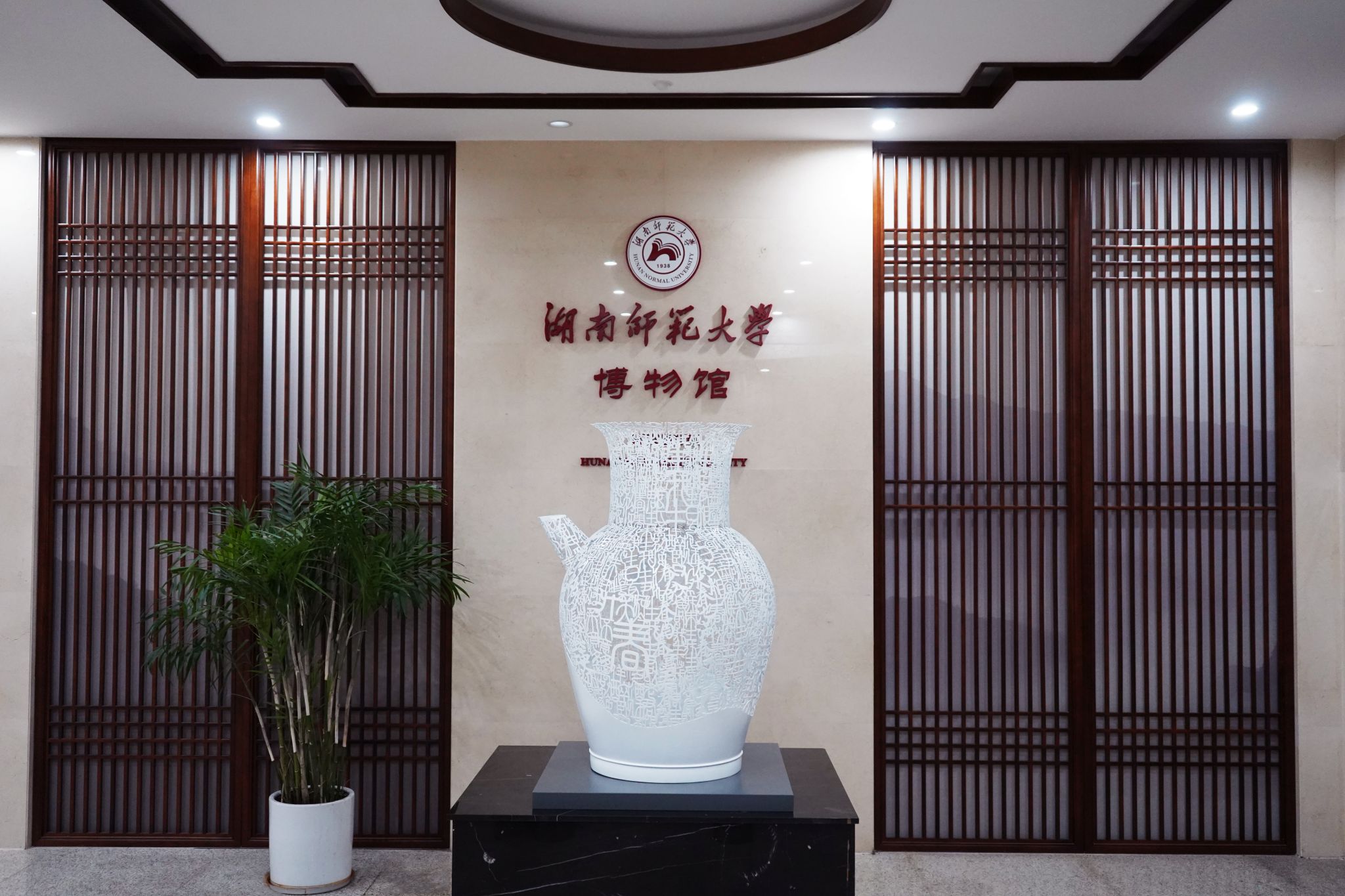
湖南师范大学博物馆成立于2021年6月,位于二里半校区逸夫图书馆五楼,馆舍面积3000余平方米,是湖南省第一座设立备案的高校博物馆,也是全国首家全面展示区域性古陶瓷分布及发展脉络的高校博物馆。
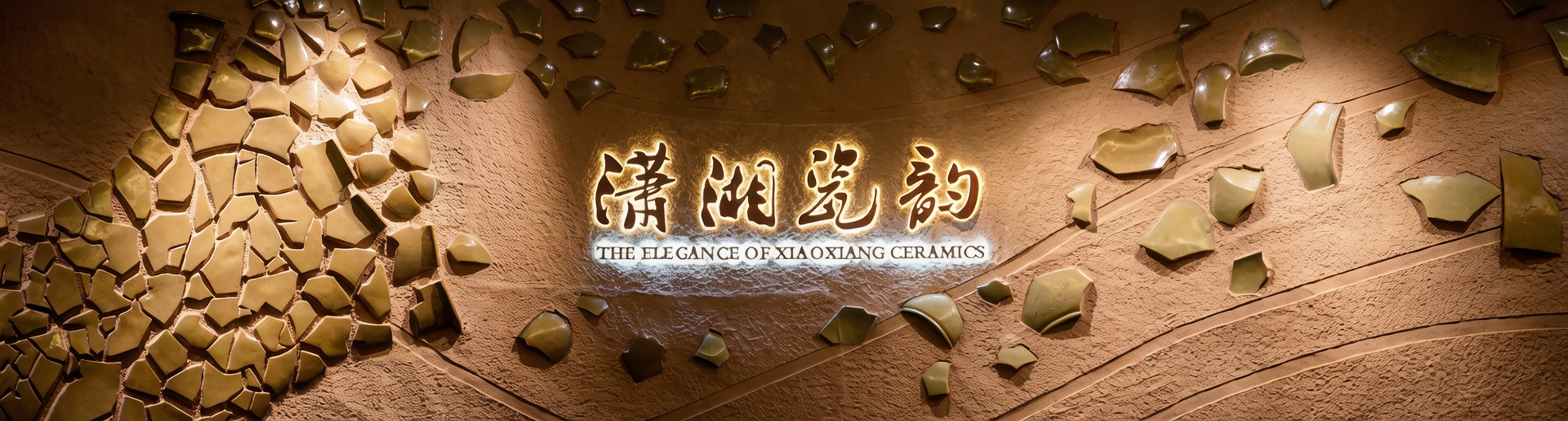
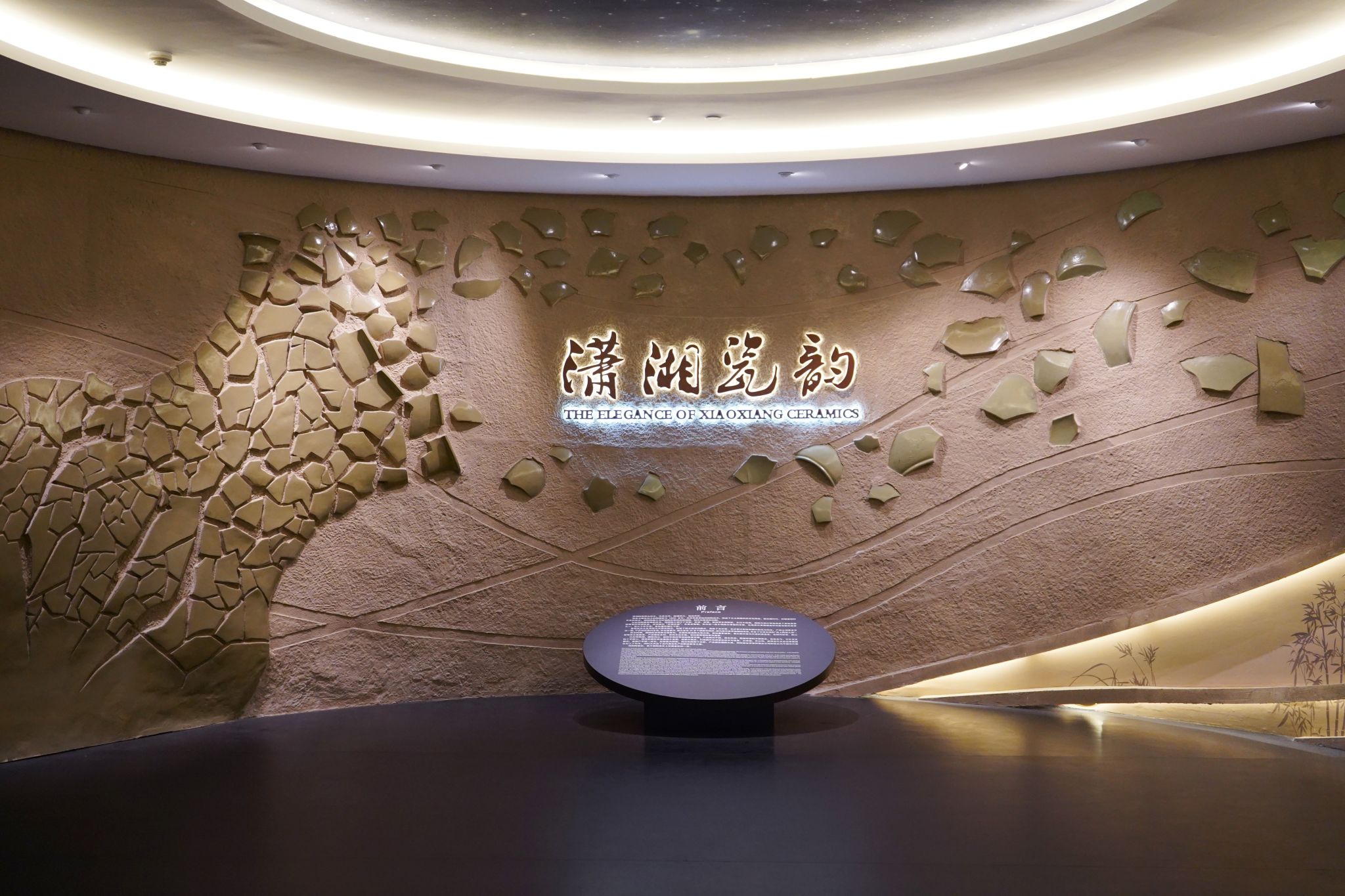
博物馆成立以来,坚持以弘扬优秀传统文化、赓续民族精神血脉为己任,举办了以“潇湘瓷韵”为主题的基本陈列和以“颜家龙书法作品展”“潇湘铜华——湖南新发现商代南方青铜器展”“吉金墨韵——青铜器的平面艺术”“吉金墨韵——宁乡炭河里青铜艺术展”“谊居千年——贾谊故居南侧朝阳巷工地考古发掘成果展”为主题的临时展览。其中,基本陈列以独特的设计形式展陈了湖湘古陶瓷珍品,用全新的视角解读湖南陶瓷发展历程,是广大师生及社会公众了解湖湘文化的一个重要窗口。
经过六年的发展,博物馆现已成为湖南师范大学对外交流的一张名片,也致力于为增强民族文化自信,推进岳麓山大学科技城和服务现代化新湖南建设作出新的更大的贡献。
About the Museum
Founded in June 2021, the Museum of Hunan Normal University is located on the fifth floor of the Yifu Library at the Erliban Campus and covers an area of over 3,000 square meters. It is the first officially registered university museum in Hunan Province and the first of its kind in China to present a comprehensive overview of the regional distribution and historical development of ancient ceramics.
Since its establishment, the Museum is dedicated to the promotion of traditional Chinese culture and the advancement of the spiritual heritage of the Chinese nation. It hosts a permanent exhibition, The Elegance of Xiaoxiang Ceramics, as well as a number of temporary exhibitions, including Calligraphy by Yan Jialong, Newly Discovered Shang Dynasty Bronzes in Hunan, The Art of Bronzes, Bronze Art from the Tanheli Site in Ningxiang, and Archaeological Discoveries from the Chaoyang Lane Site South of Jia Yi’s Former Residence. The permanent exhibition displays fine examples of ancient Huxiang ceramics through a well-structured curatorial approach, providing an overview of the development of ceramics in Hunan. It serves as an important resource for students, faculty, and the public to learn about Huxiang culture.
After six years of development, the Museum has become an important platform for cultural exchange at Hunan Normal University. It continues to support the enhancement of cultural confidence, the development of the Yuelu Mountain University Science and Technology City, and the broader goal of building a modern Hunan.
(英文翻译:王芳玲)